
Faith-integrated therapy to help you heal and build what matters
You don't have to choose between your Christian faith and research-supported therapy. If you are struggling with anxiety, trauma, or patterns that are hard to change, let’s work together to build a practical path forward.
In-person therapy in Mission Valley, San Diego,
and online therapy throughout California
Change is possible
Anxiety, painful experiences, or simply facing the reality that life doesn’t look like what you hoped can leave you feeling stuck. Over time, it becomes easy to focus on getting through the week rather than moving toward the kind of life and relationships you want to build.
Meaningful change rarely happens all at once; it is built through deliberate choices. While progress has its own natural ups and downs, those small, consistent actions matter. Where you are today does not have to define your future. You do not have to figure out the next step alone.
Lasting change involves more than insight alone
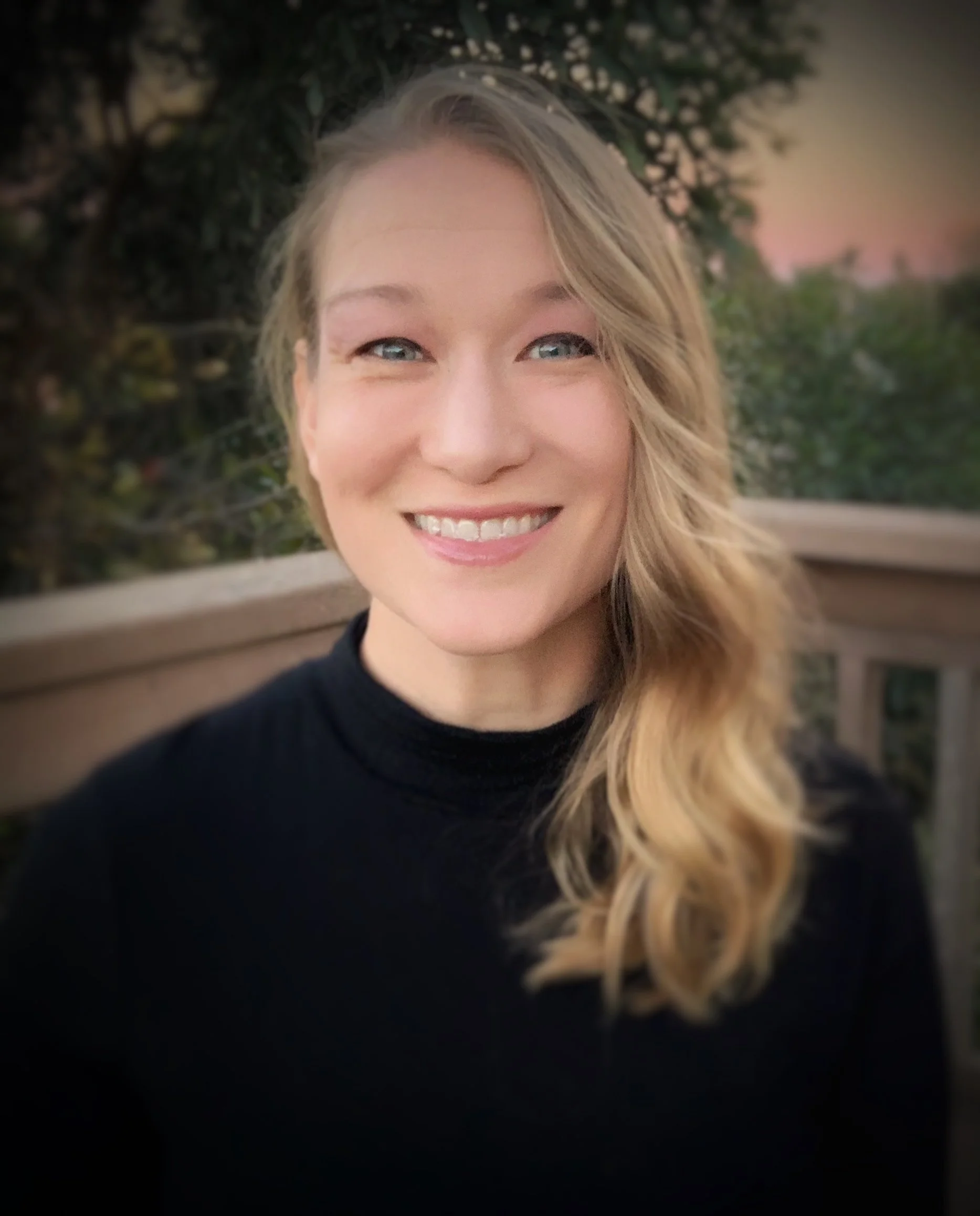
I’m Dr. Victoria Buttery, a licensed clinical psychologist and the founder of Resilience Psychological Services. I work with Christian adults struggling with anxiety, trauma, stress, and patterns that feel hard to change.
In my practice, the work of healing involves more than simply understanding ourselves. Insight matters, but so does what we do with it: practicing new skills, engaging honestly with pain, responding with more awareness, and taking small steps forward. We adapt the pace to what you need each week. Some sessions are active and skills-focused; others are simply about slowing down to sort through current challenges.
As a Christian, I also believe God is ultimately the source of healing and transformation. My role is to provide a structured, supportive process that helps you gain internal clarity, build practical tools for daily life, and respond intentionally to the work God may be doing in your life.
What faith integration can look like
Because everyone's relationship with God looks different, faith integration in my practice is tailored entirely to your comfort level and goals. For some clients, this includes prayer and discussion of Scripture in sessions.
For others, it simply means knowing that therapy is quietly grounded in a Christian understanding of healing, suffering, growth, and daily life. Along with this spiritual framework, I draw from research-supported psychological approaches (including ACT, CBT, and specialized trauma-focused therapies like EMDR, CPT, and PE) to provide practical tools you can use between sessions.
You do not need to have your faith fully figured out to begin therapy. Wherever you are, you are welcome here.
Common Reasons People Seek Help

Anxiety, Stress &
Overthinking
When anxiety and stress take up too much space, it can be hard to stay present and engage in the things that matter most. Therapy can help you relate differently to anxious thoughts so they have less influence over daily life.

Trauma &
PTSD
Painful experiences can shape how you think, feel, and relate to yourself, others, and God. Healing does not mean forgetting the past. It involves learning how to move forward without being defined by what happened.

Personal Growth &
Emotional Health
Therapy is not only for when you are struggling. It can also help you live with more clarity, steadiness, and emotional maturity as you move toward the life, relationships, and character you hope to cultivate.
Here’s what to expect
A Brief Phone Call
We'll begin with a brief phone consultation to discuss what brings you to therapy, answer your questions, and determine whether we're a good fit.
Starting Therapy
In our initial sessions, we'll create a plan that reflects your goals, your unique circumstances, and the areas where you feel most ready to focus.
Real-World Application
Between sessions, you’ll have opportunities to reflect on what we discuss and begin applying it in daily life.
What could be different?
Therapy cannot remove every difficult emotion, painful circumstance, or unanswered question. But over time, you can learn to relate differently to your thoughts, emotions, and experiences so they do not have the same power over how you live.
As this happens, you may feel more grounded, more aware of what matters most, and better able to respond to life’s challenges with wisdom and intention. This may include learning to connect what you believe with how you respond, relate, and live in the messiness of daily life.
You may find yourself:
less controlled by anxiety, fear, or overthinking
more able to sit with painful emotions without being overwhelmed by them
clearer about what matters to you, where boundaries are needed, and what next step to take
more present in your daily life and relationships, rather than feeling distracted or checked out
less stuck in old relational patterns or past experiences
more able to make decisions from faith, wisdom, and conviction rather than fear or avoidance
Ready to take the next step?
If this approach feels like a good fit, let’s begin with a brief phone consultation.